Moving to Latvia: The Complete Expat Guide
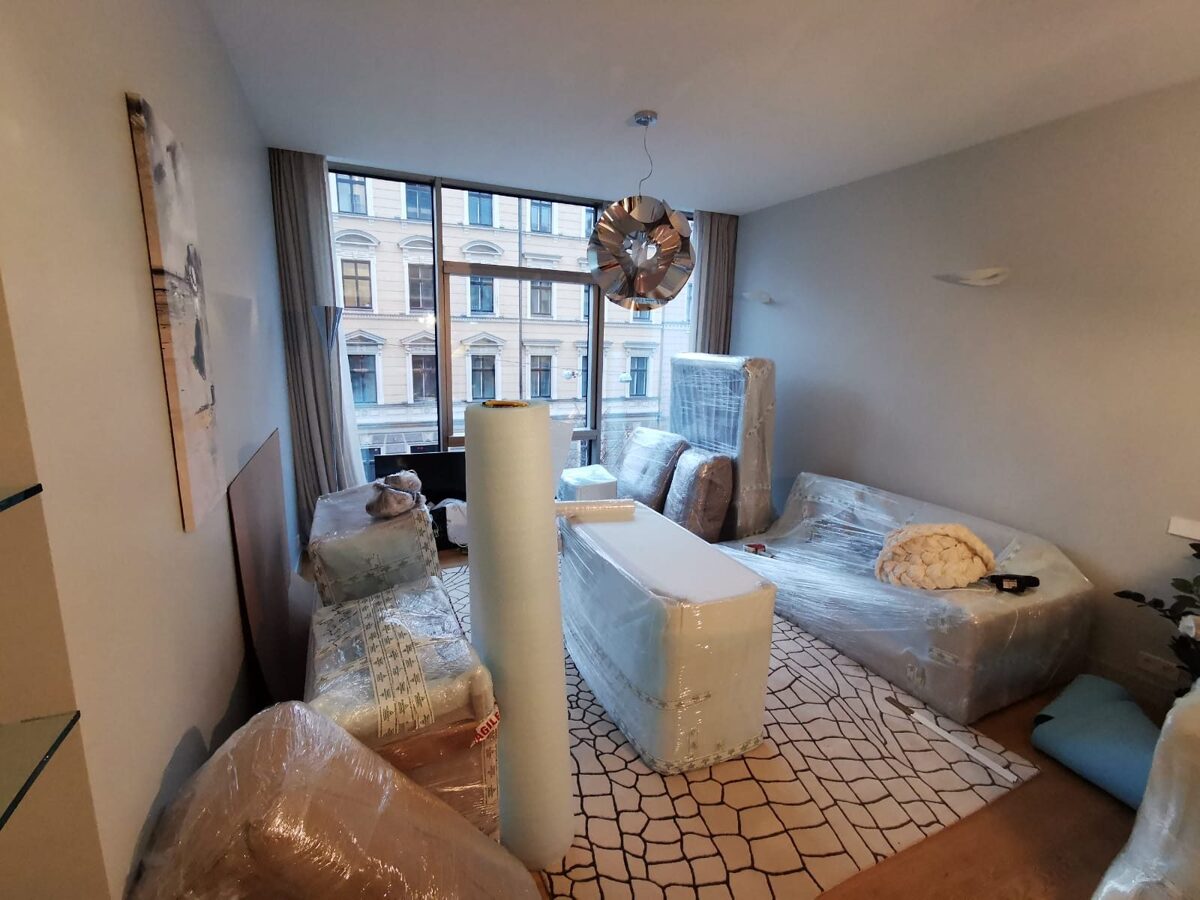
Thinking about moving to Latvia? You’re not alone. Over the past decade, Latvia — and especially its capital, Riga — has attracted a growing community of expats drawn by its affordable cost of living, vibrant culture, EU membership, and surprisingly short commutes. Whether you’re relocating for work, retirement, or simply a change of scenery, this guide covers everything you need to know before making your move.
At FF International Movers, we’ve been helping people relocate internationally for over 25 years. We’ve supported hundreds of families and professionals arriving in Latvia from across Europe and beyond — andwe’ve seen first-hand what questions come up time and again. This guide answers them.
Why Expats Choose Latvia
Latvia is a small country, but it punches above its weight for quality of life. Here’s what consistently draws people in:
Cost of living. Riga is significantly more affordable than most Western European capitals. A comfortable apartment in the city centre can be rented for €600–900/month. Groceries, dining out, and local transport are all considerably cheaper than in the UK, Germany, or the Netherlands.
EU membership and the Euro. Latvia joined the EU in 2004 and adopted the Euro in 2014. For EU citizens, this makes bureaucracy straightforward. For non-EU nationals, EU residency in Latvia is a gateway to broader European mobility.
Digital infrastructure. Latvia consistently ranks among the top countries in Europe for digital government services. You can register a company, file taxes, and access healthcare records entirely online. The country has also produced a disproportionate number of tech unicorns per capita.
Riga’s character. The capital is compact, walkable, and genuinely beautiful. The UNESCO-listed Art Nouveau district is one of the largest in the world. Summers are long and social; winters are cold but come with excellent cross-country skiing and proper Christmas markets.
Visa and Residency Requirements for Moving to Latvia
Your route into Latvia depends on your citizenship.
EU/EEA citizens have the right to live and work in Latvia without a visa. You should register your residence with the Office of Citizenship and Migration Affairs (PMLP) within three months of arrival. Registration is straightforward and done in person or online.
Non-EU nationals will generally need to apply for a residence permit. Common routes include:
- Employment-based permit — requires a job offer from a Latvian employer. Your employer typically initiates the process.
- Business/investor permit — for entrepreneurs setting up a company or making qualifying investments.
- Family reunification — if your spouse or partner is an EU citizen or Latvian resident.
- EU Blue Card — for highly skilled non-EU workers. Latvia has relatively accessible salary thresholds compared to Germany or France.
- Digital nomad visa — Latvia introduced provisions for remote workers; consult the PMLP website for current eligibility.
Processing times vary. For long-stay permits, allow 1–3 months and apply well before your intended arrival. The PMLP (pmlp.gov.lv) publishes current requirements in English.
Finding Housing in Latvia
Most expats start in Riga, which offers the widest range of housing and the strongest expat community. A few things to know:
Renting. The rental market is active but can move quickly in popular neighbourhoods. Riga’s most sought-after areas for expats include the Quiet Centre (Klusais centrs), Mežaparks (a forested neighbourhood popular with families), and the UNESCO Old Town (Vecrīga) for those who want to be in the heart of the city. Budget€500–800/month for a one-bedroom in a nice area; €800–1,400 for a two-bedroom.
Buying. Latvia allows foreigners to buy property in urban areas. Rural land purchases have some restrictions for non-EU nationals — legal advice is recommended. Prices per square metre in central Riga range from€1,500 to €3,500 depending on the building and finish.
Practical tip. Most landlords and estate agents speak English in Riga. Outside the capital, English is less universal — having a Latvian-speaking contact helps. Portals like ss.lv (in Latvian) and city24.lv (bilingual) is the main rental/sale platform.
Healthcare and Education
Healthcare. Latvia has a public healthcare system, but waiting times at public facilities can be long for non-emergency care. Most expats and many locals use private clinics, which are well-equipped and affordable by Western standards. A GP appointment at a private clinic costs €30–60. EU citizens can use their EHIC for emergency coverage. Non-EU nationals should arrange private health insurance before arrival.
Education. Riga has several international schools offering curricula in English, including the Riga International School and the International School of Latvia (ISL) in Jūrmala. These are popular with expat families and offer IB programmes. Costs range from €8,000 to €15,000 per year.
What to Do With Your Belongings: International Moving to Latvia
This is where most expats feel the biggest practical stress — and where experience makes the biggest difference.
If you’re moving from within the EU, your household goods can move freely without customs duties. If you’rearriving from outside the EU (UK, USA, Australia, etc.), you’ll need to navigate customs clearance. Key points:
- Duty relief for personal effects. You can typically import your personal belongings duty-free if you’veowned them for at least 6 months and are establishing permanent residence. Documentation requirements vary — we can guide you through what’s needed.
- Restricted and prohibited items. Latvia follows EU customs rules. Certain goods (plants, foods, weapons, some electronics) face restrictions. Your moving company should advise on this as part of the packing process.
- Timeline. Depending on origin, sea freight to Riga typically takes 2–4 weeks from Western Europe; longer from further afield. Road freight from most EU countries can arrive in under a week.
FF International Movers has been arranging international shipments to and from Latvia since 2001. We handle the entire logistics chain — packing, transport, customs documentation, and delivery to your new home. As a FEDEMAC member since 2003, we adhere to European standards for professional moving.
Setting Up Life in Latvia: Practical Steps
Once you’ve arrived, here’s what to prioritise in the first few weeks:
- Register your address at the PMLP. This underpins almost everything else — banking, healthcare registration, children’s school enrolment.
- Open a bank account. Major banks include Swedbank, SEB, and Luminor. For non-residents or new arrivals, Revolut and other e-money accounts can bridge the gap while your residency is being confirmed.
- Get a personal identity code (personas kods). Issued by the PMLP once you register for residence.Required for most official processes.
- Register with a GP (ģimenes ārsts). Public healthcare requires registration with a family doctor. Private clinics can be used without registration.
- Sort out transport. Riga has solid public transport (tram, bus, trolleybus), and the centre is walkable. A car is useful if you plan to spend time outside the capital.
Cost of Living Overview
To give you a realistic picture:
| Expense | Approximate Monthly Cost |
|---|---|
| 2-bedroom apartment (Riga centre) | €800–1,200 |
| Groceries for 2 people | €300–450 |
| Dining out (mid-range restaurant, 2 people) | €25–45 per meal |
| Public transport pass | €50 |
| Private health insurance | €80–200 depending on coverage |
| International school (per month) | €700–1,300 |
A comfortable lifestyle in Riga for a family of three typically costs €3,000–4,500/month, well below equivalent cities in Western Europe.
Frequently Asked Questions
Is English widely spoken in Latvia? In Riga and in professional settings, English is widely spoken, especially among people under 40. Outside the capital, Russian or Latvian knowledge is useful. The expat community is active enough that you can manage comfortably in English day-to-day in the city.
How long does it take to get a residence permit? For EU citizens, registration is immediate upon applying.Non-EU temporary residence permits typically take 1–3 months to process. Permanent residency requires 5years of continuous legal stay.
Can I bring my pet to Latvia? Yes. Latvia follows EU pet travel rules. Dogs, cats, and ferrets need an EU pet passport, a microchip, and an up-to-date rabies vaccination. From non-EU countries, additional documentation and potential quarantine periods may apply — check the Food and Veterinary Service (PVD) requirements.
What’s the best time of year to move to Latvia? Late spring (May–June) and early autumn (August–September) offer the best combination of mild weather and available rental housing. Avoid moving mid-winterif possible — road conditions can complicate delivery logistics, and settling into a new home during dark January days is harder than it sounds.
Do I need to learn Latvian? Not to get by, but it is appreciated and will open doors. Latvian is one of the oldest living languages in Europe with relatively few speakers worldwide, so any effort is warmly received. Language courses are widely available in Riga, including evening and weekend options.
Start Your Move to Latvia with FF International Movers
Moving internationally is complex, but it doesn’t have to be stressful. FF International Movers has been organising international relocations since 2001 — including hundreds of shipments to and from Latvia. We handle packing, transport, customs, and delivery, so you can focus on everything else that comes with a major life change.
Whether you’re moving from the UK, Germany, the Netherlands, or anywhere else in Europe, our team can put together a personalised moving plan and guide you through the process step by step.
Visit movingtolatvia.lv for more resources for expats relocating to Latvia, or contact FF International Movers directly to discuss your move:
📞 Contact us for a free moving quote 🌐 ffinternationalmovers.lv 📧 Reach out via our website contact form
We’re here to make your move to Latvia as smooth as possible.